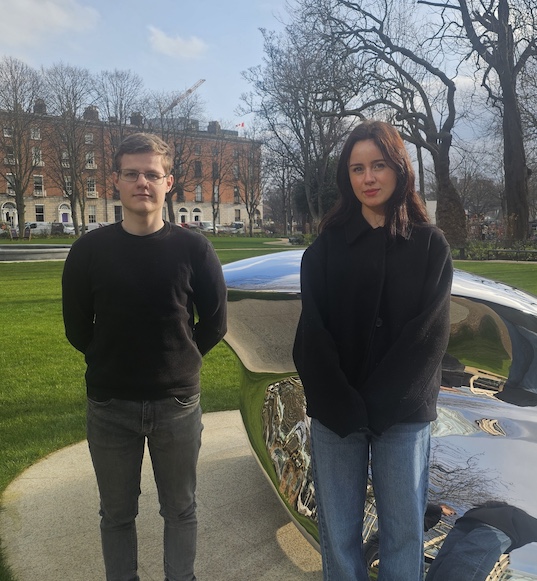
At the St. James’s Histopathology Biobank, our interns are at the heart of the innovative research that drives medical advancements. This year, we’re thrilled to have Ellen and Szymon from DCU join our team. They began their internship in February and will be with us until August, gaining hands-on experience in the exciting fields of Biobanking and Histopathology.
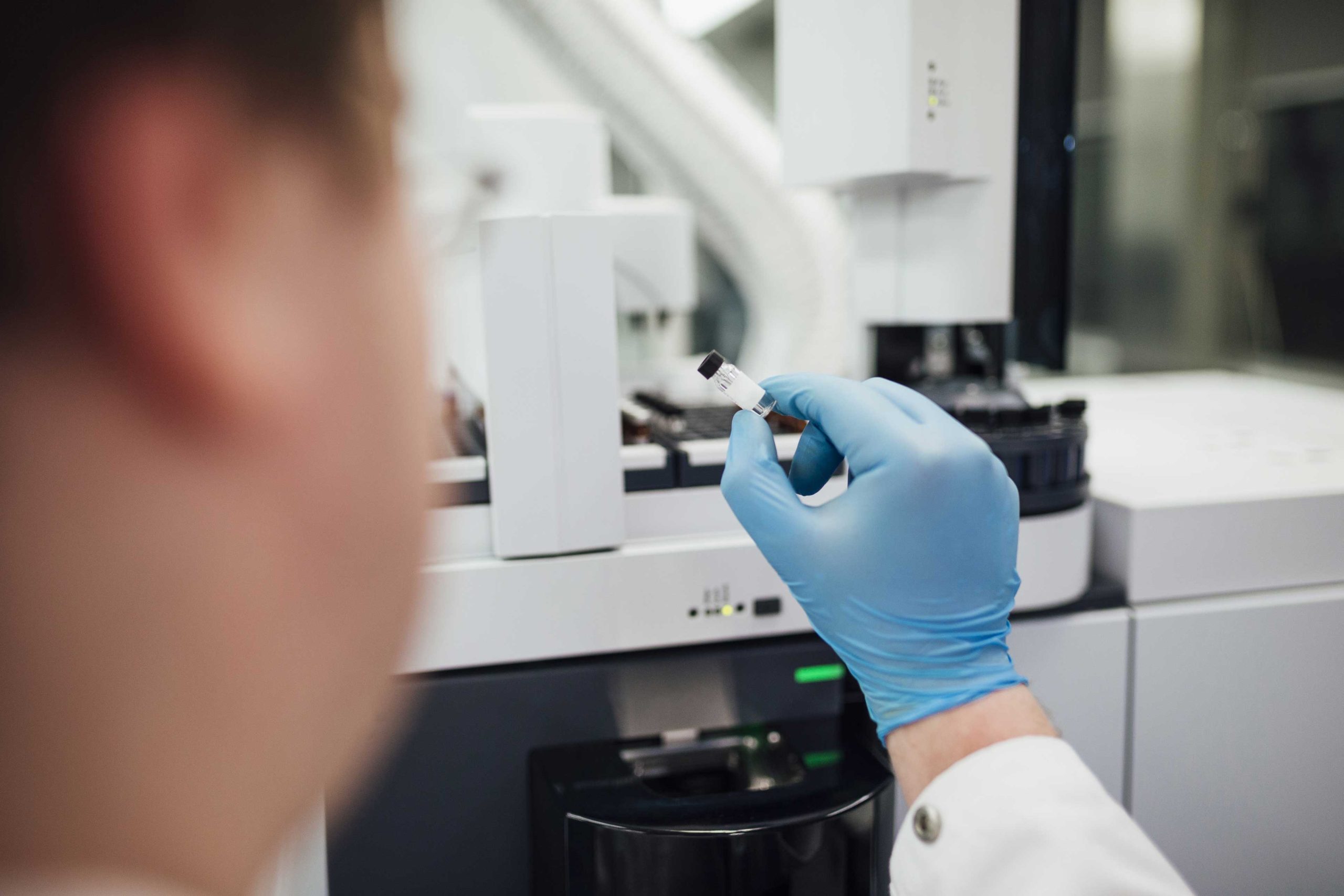
Every day, Ellen and Szymon play an essential role in processing and preparing patient samples, ensuring high-quality slides are created for ongoing research into critical diseases like gastric and prostate cancer. Their attention to detail and commitment to preserving these vital samples are key to supporting studies that could lead to better diagnostic tools and more effective treatments in the future.
But their contributions don’t stop in the lab. Ellen and Szymon also actively support Biobank Ireland Trust, helping to raise awareness about the importance of biobanking and supporting fundraising initiatives that provide essential resources for scientific research. One of their key projects is developing a Biobank Directory, which will connect biobanks across Ireland and foster collaboration among researchers nationwide.
We’re incredibly grateful for their passion and hard work, and we look forward to the impact they will continue to make during their internship!
The Biobank Ireland Symposium 2024 took place on 24 October at the Herbert Park Hotel in Dublin. The event highlighted the role of biobanking in the development of healthcare and the innovation of new treatments and diagnostic systems. Led by renowned broadcaster Áine Lawlor, the symposium gathered a diverse range of biobanking experts, researchers, policymakers, and healthcare professionals from Ireland and beyond. The event provided a platform for discussing Ireland’s contributions to biobanking, with a special focus on how this field supports cutting-edge research, enhances disease prevention strategies, and contributes to the development of new treatments.
The symposium’s keynote presentations featured notable scientists, with Sean Hynes explaining biobanking fundamentals, followed by Richard Flavin on Biobank Ireland’s contributions, and Alison Parry-Jones discussing global biobanking trends, providing insights into the development of biobanking standards and the importance of ethical considerations in biobank operations, while Farrell discussed the significance of biobanks in supporting longitudinal research and improving public health outcomes. Professor Michael Farrell discussed advancements in biobank management, global collaboration, and the integration of patient perspectives in biobanking.
Josephine Brady provided a unique view on literature’s role in cancer responses, whilst Eddie Mullin emphasised the patient perspective. The programme resumed with a lively panel discussion, centred on the impact of biobanks on both public health and personalised medicine. Experts discussed how biobanks provide essential biological samples that enable researchers to understand complex diseases and tailor treatments to individual patients. Michael Farrell’s talk on using archival samples highlighted biobanking’s value in public interest research, while John O’Leary emphasised biobanking as essential for medical advancements. Additionally, patient representatives shared their perspectives, emphasising the importance of biobanking in developing treatments for rare and complex diseases.
Networking sessions allowed attendees to exchange ideas and explore collaborations. Participants discussed the potential for Ireland to strengthen its position in global biobanking initiatives and the need for more funding and policy support to maximise the country’s biobanking impact. The symposium highlighted the role of biobanking in advancing precision medicine and its potential to transform patient care by enabling better-targeted therapies. The symposium closed with open discussions and concluding remarks from Eoin Gaffney.
In summary, the Biobank Ireland Symposium 2024 underscored the growing importance of biobanking in the medical and research communities. The event served as a vital forum for discussing the future of biobanking in Ireland and its potential contributions to global health. By bringing together leading experts, the symposium fostered critical dialogue on how to leverage biobank resources for impactful research, illustrating the ongoing commitment to advancing healthcare through innovation and collaboration.
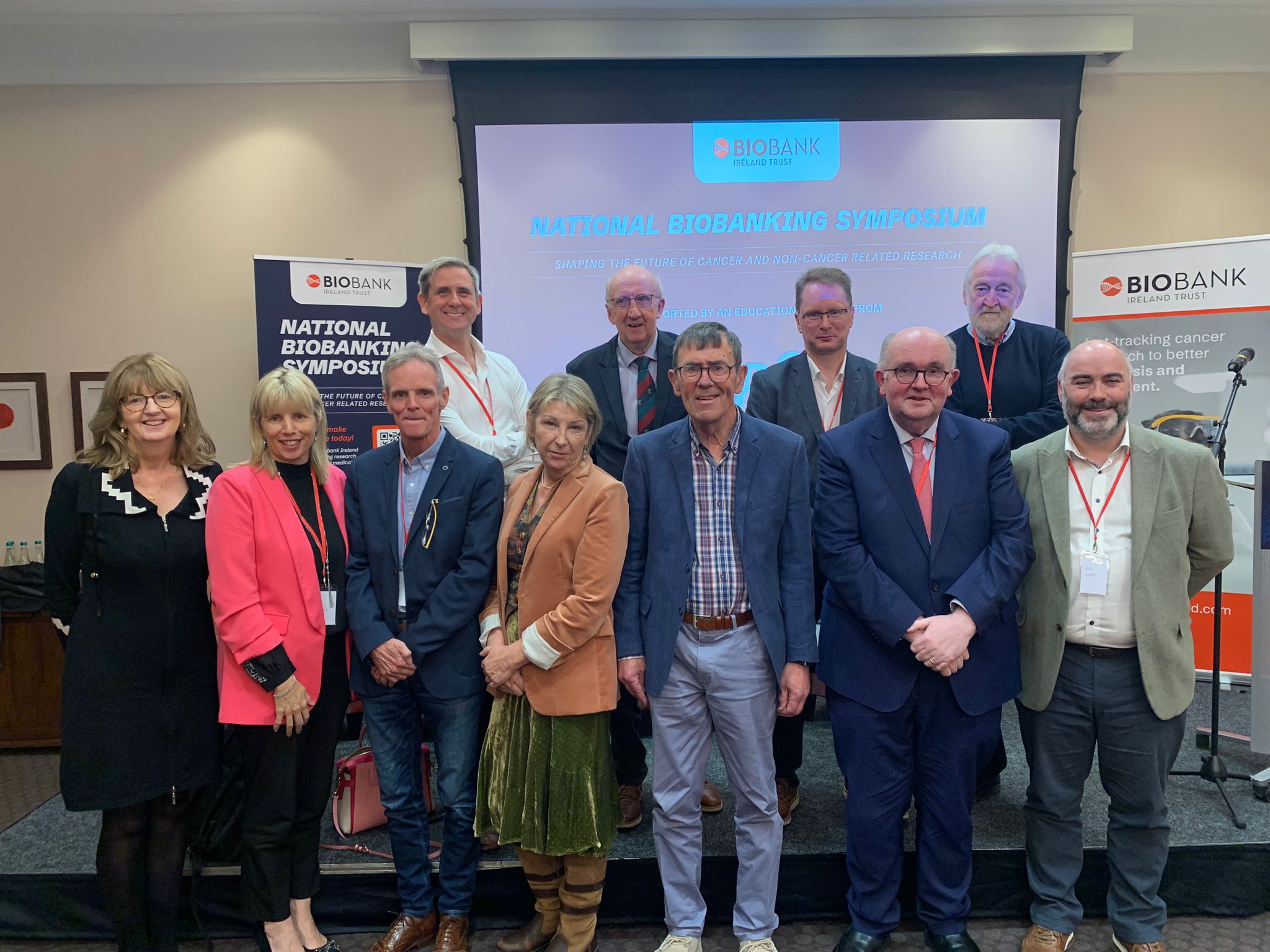
Back Row left to Right – Ciaran Flanagan (Biobank Ireland Trust), Michael Farrell (RCSI Retd), Professor Richard Flavin (St James Hospital), Eddie Mullin (Biobank Ireland Trust)
Front Row Left to Right – Josephine Brady (Author), Brendan Nagle, Aine Lalor (RTE), Professor Eoin Gaffney (Biobank Ireland Trust), Professor John O’Leary (TCD) , Professor Sean Hynes (NUIG)

Welcome to the Biobank Ireland Trust National Biobanking Symposium!
Biobank Ireland will host an inaugural Biobanking Symposium for patients and the public on Thursday, 24 th October 2024. The Symposium will take place in the Herbert Park Hotel, Dublin, and will be introduced and Chaired by Irish Broadcaster and Television host Aine Lawlor. This half day free event will be held on Thursday, October 24 th from 1:00pm to 5:00pm in The Herbert Park Hotel. The meeting features world-leading scientists and medical professionals including Alison Parry-Jones of the Wales Cancer Bank, Professor Michael Farrell of Royal College of Surgeons in Ireland, Professor John O’Leary of Trinity College Dublin, and Professor Colm Bergin of the National Irish Covid Biobank. Book Your Place Here
PATIENTS AND BIOBANKING, RESEARCH AND NEW TREATMENTS
Herbert Park Hotel, October 24 th , 2024, 1.00 – 5pm
1-1.30 Registration
1.30 Introduction by Chairperson Aine Lawlor, RTE
1.35 S Hynes GUH, UCHG – What is biobanking?
1.50 R Flavin SJH, TCD – What Biobank Ireland does
2.05 A Parry-Jones, Wales Cancer Bank – ISBER and Global Biobanking
2.25 O Gavan, Pfizer Healthcare Ireland – Biobanking for new medicines
2.40 E Mullin, EFL – The patient and public perspective
2.55 – 3.15 BREAK
3.15 Panel (L Burke, C Bergin, B Nagle, B Mee) and General Discussion
4.00 M Farrell, RCSI – Using Archival Samples in the Public Interest
4.20 JJ O’Leary, TCD – Biobanking: Essential Enabler of Medical Research
4.40 General Discussion and Questionnaire
4.55 E Gaffney, Biobank Ireland – Concluding Comments
Read more about the recommendations made by Health Research Charities Ireland (HRCI) for elected representatives and policy makers in 2024 through the publication of their Position Paper. Within this paper, you will learn about new legislation in key areas, the need for investment in research infrastructure and how health research charities are responding to the needs of the public to accelerate the impact of this vital research.
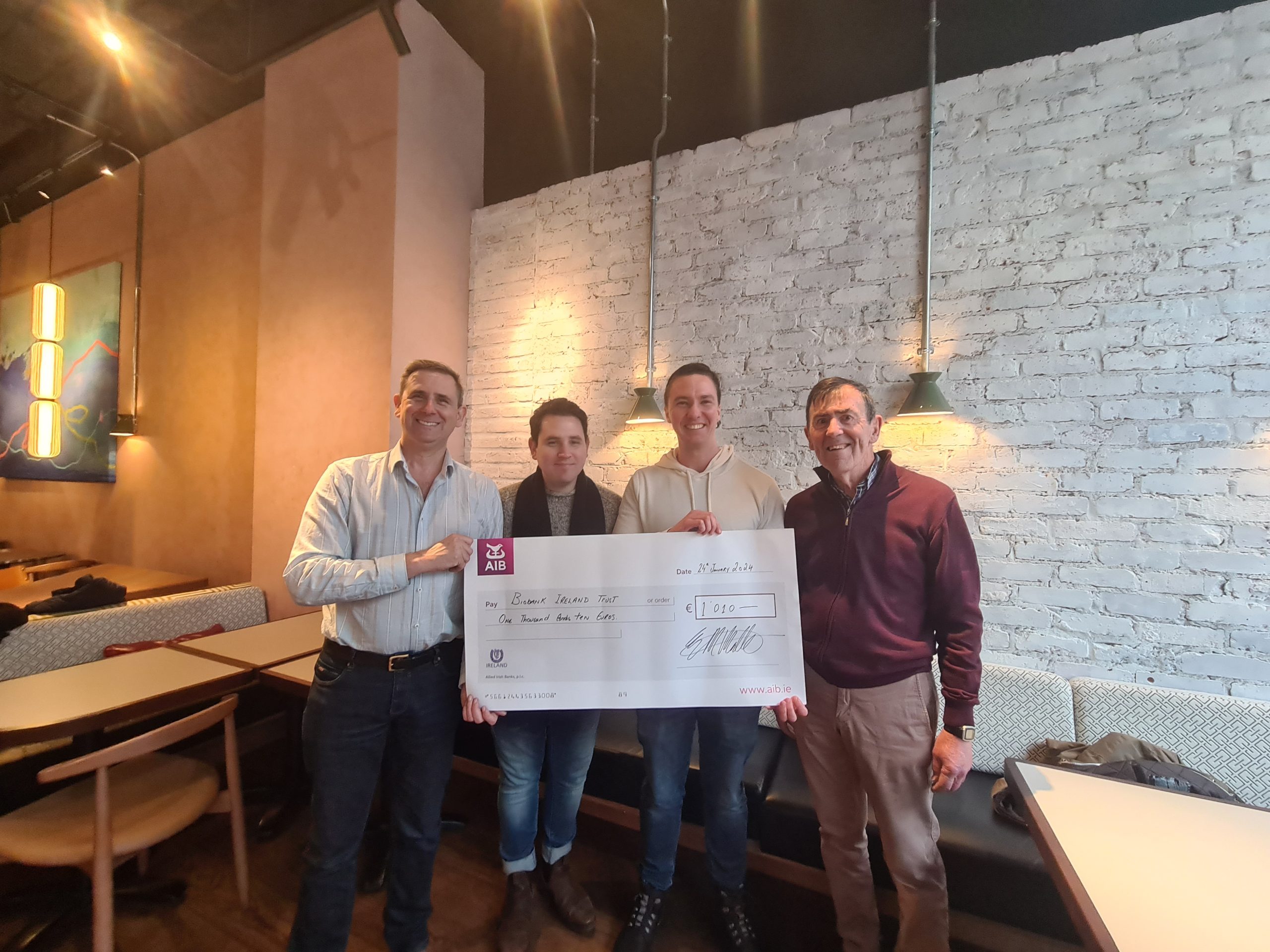
Thank you to the excellent Kickys on South Great Georges Street, who ran a campaign supporting the work of Biobank Ireland which raised over a thousand euros during the busy month of December, our two founders Ciaran Flanagan and Professor Eoin Gaffney met Richie Barrett and Eric Mathews yesterday to receive this wonderful donation. This campaign also helped to support greater awareness of the importance of biobanking to critical medical research. Kickys will be supporting Biobank Ireland at other stages throughout this year and we would like to thank them for this ongoing and important support.
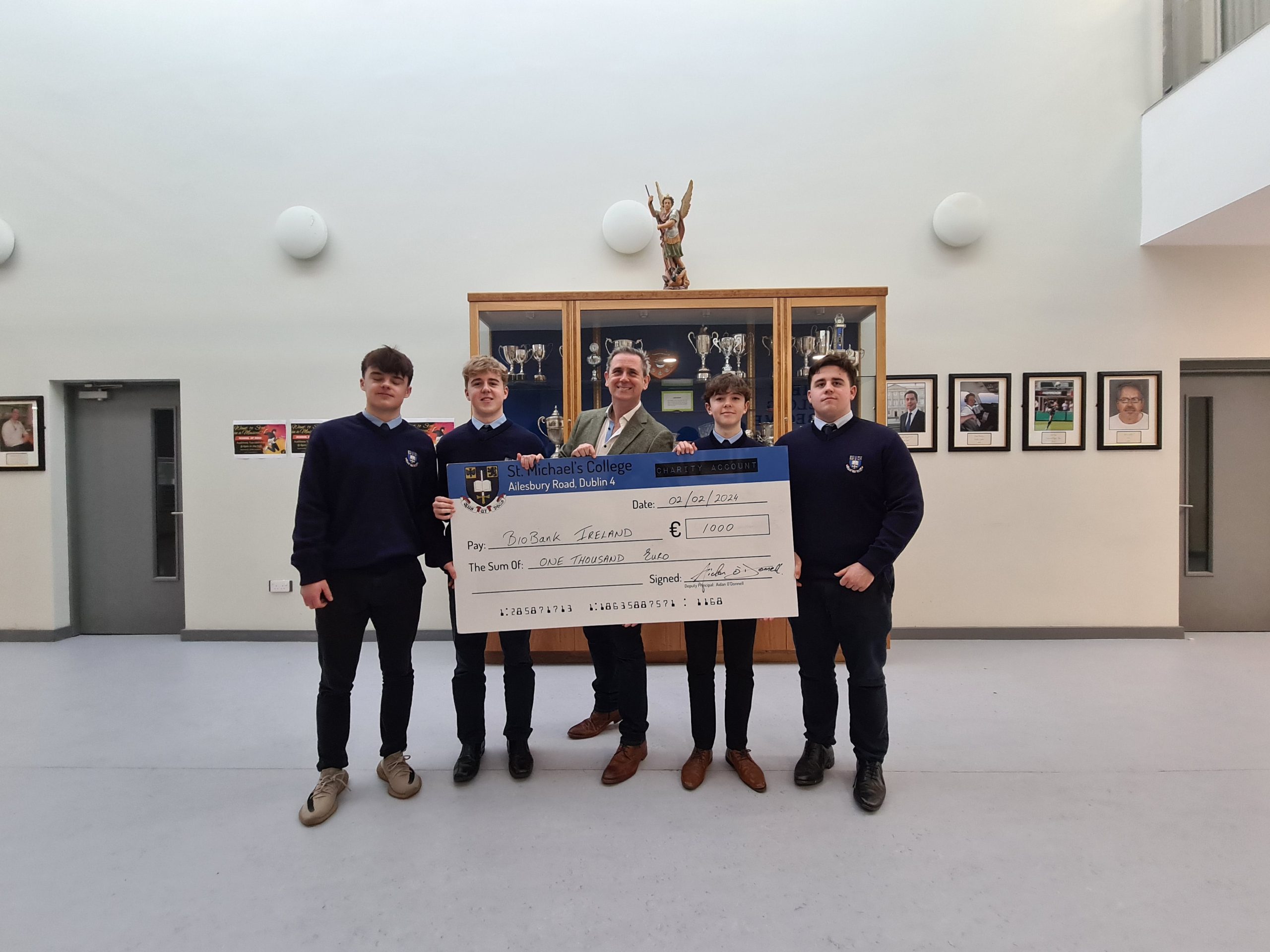
A big thank you to the 5th year pupils of St Michael’s College in Ballsbridge, who through their hard work over Christmas raised €1000 towards the work of Biobank Ireland from their annual christmas tree sale, this helps to support medical research through our network.
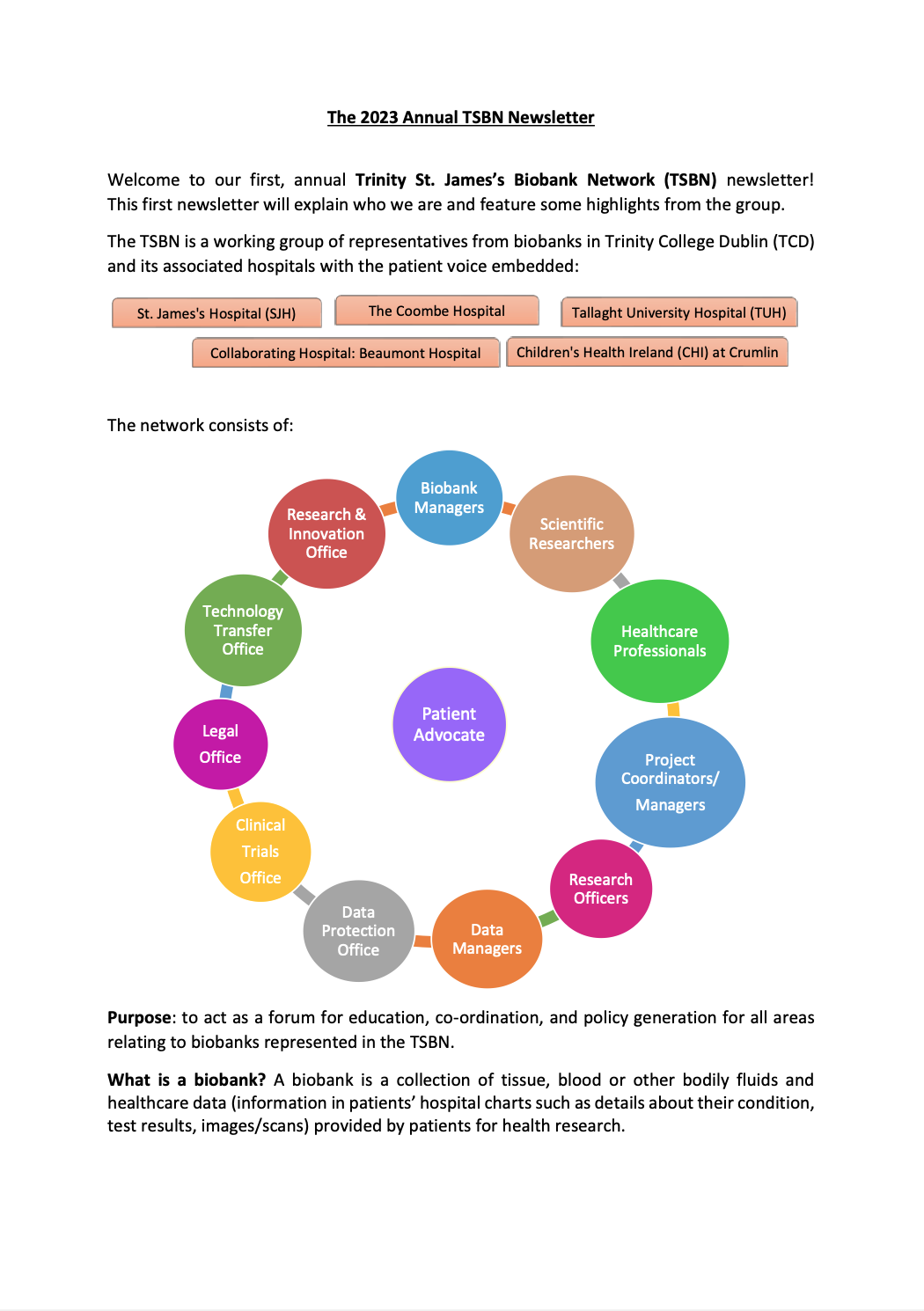
Trinity St. James’s Biobank Network (TSBN) launched their first newsletter! This first newsletter will explain who they are and features some highlights from the group. The TSBN is a working group of representatives from biobanks in Trinity College Dublin (TCD) and its associated hospitals.
Thanks to Kate Mulhall and Rachel Hegarty who have completed their 3rd year placement with Biobank Ireland from DCU where they are studying for a BSc in Genetics and Cell Biology, during their nine months with BIT they have been involved in research projects at St James Hospital, and also marketing and fundraising activities.
Rachel Hegarty: “We are very grateful to Biobank Ireland for giving us the amazing opportunity to work in St. James Hospital Histopathology Biobank and Biobank Ireland Trust. We have gained invaluable knowledge and skills that we can take into our final year of college. We have both had an incredible time and it has been a pleasure to work with Biobank Ireland”.
Blood cancers affect blood cells. Cancer can affect red blood cells (RBCs) that carry oxygen throughout your body, and platelets help your blood clot. Furthermore, there are also types of cancers that affect the lymphatic system. Consequently, the lymphatic system is responsible for White Blood Cells (WBCs), which are critical in fighting disease and infection.
Therefore, when someone has any type of blood cancer, their cells grow and divide rapidly, inhibiting the blood’s necessary functions. For example, your blood might not clot if you scrape your knee, or if you get sick, your body will have a weakened immune system to fight the illness.
Anatomy diagram of circulatory and lymphatic systems
Types of Blood Cancer:
The disease has various forms, and each type is further categorized. Below are the most common types:
Leukemia – Affects the bone marrow and WBC.
Lymphoma – Affects the lymphatic glands.
Myeloma – Affects plasma cells.
Myelodysplastic syndromes (MDS) – Affects the bone marrow. It is also known as Bone Marrow Failure.
Ireland Blood Cancer Statistics:
Doctors diagnose approximately 485 people with a form of leukemia each year.
Doctors diagnose approximately 1000 people with a form of lymphoma each year.
Doctors diagnose approximately 380 people with a form of Myeloma each year.
Doctors diagnose approximately 175 people with a form of MDS each year.
Lymphoma is the 5th most common type of cancer diagnosed in men and children.
Leukemia is the most common type of cancer diagnosed in children.
Signs and Symptoms:
Each form of blood cancer presents unique symptoms, but some of the most common symptoms are:
Coughing/chest pain
Frequent infections
Fever or chills
Unexplained rash/bruising/bleeding
Loss of appetite/nausea
Night sweats
Persistent weakness/fatigue
Shortness of breath
Swollen, painless lymph nodes
Risk Factors:
Although blood cancer’s causes are not fully understood, there are risk factors for development:
Family History: Some forms of cancer can be caused by inherited genetic mutations.
Smoking: Smoking can cause cancer almost anywhere in the body, including the blood.
Radiation/Chemical Exposure: Exposure to certain chemicals or cancer radiation can also increase risk for developing a form of the disease.
Viral Exposure: HIV, Epstein-Barr virus, and human T-cell lymphoma/leukemia virus can also increase the risk for developing leukemia or lymphoma.
Treatment:
Doctors will treat blood cancer based on the type, stage, genetics, blood cell counts, overall health and specific symptoms. However, there are some common forms of treatment.
Chemotherapy – Drugs to treat the cancer.
Immunotherapy – Utilize natural immune system defenses.
Radiation – High frequency waves to kill cancer cells.
Stem Cell Bone Marrow Transplantation – Full replacement of cells that can grow into healthy blood cells.
If you or anybody you know may be affected by blood cancer, please contact your physician to seek a professional opinion.
A Sarcoma is a bone, cartilage, or soft tissue (nerve, fat, and muscle) cancer. These cancers are malignant, rare, and aggressive. This type of cancer can affect any part of the body, but 80% of the time, they are found in soft tissues. Therefore, Soft Tissue Sarcoma (STS) is the most common type of this cancer. Additionally, more than 60% of diagnoses are found in the leg.
Doctors diagnose approximately 220 people a year with Sarcoma in Ireland. However, A study conducted by the National Cancer Registry Ireland concludes that STS survival is 75.6% after one year.
Soft tissue sarcoma common places for development
Risk Factors of Sarcomas:
Sarcomas’ causes are relatively unknown, but there are a few risk factors:
Genetic mutations: disease inheritance is known to increase the risk of developing cancer.
Lymphedema: a consistent swelling of lymph fluid caused by a damaged or blocked lymph system can cause a special type of cancer called angiosarcoma.
Exposure to chemicals: chemicals can also increase the risk of developing a tumor, especially that of the liver.
Cancer radiation treatment: Radiation can treat cancer but also cause sarcomas later.
Viral Exposure: Exposure to human herpesvirus 8 can all increase risk for developing a Sarcoma called Kaposi’s sarcoma.
Symptoms of Sarcomas:
Each tumor presents with different symptoms, and some early stage STS tumors do not have any signs or symptoms at all. However, the most common symptoms, when presented, are:
A mass under the skin. It may or may not be painful.
Bone pain.
An unexpected broken bone caused by little to no injury.
Abdominal pain.
Weight loss.
Sarcoma Treatment:
Each tumor is all treated differently, depending on the diagnosis. However, there are three main types of treatment:
Surgery: This is the most common treatment for this type of cancer.
Radiotherapy: Especially if diagnosed with soft tissue sarcoma in the legs or arms, doctors may use high-energy waves to kill the cancerous cells.
Chemotherapy: Using anti-cancer drugs is beneficial, especially when teamed with other forms of treatment.
If you or anybody you know may be affected by a sarcoma, please contact your physician to seek a professional opinion.
Our Scientific Partners & Supporters
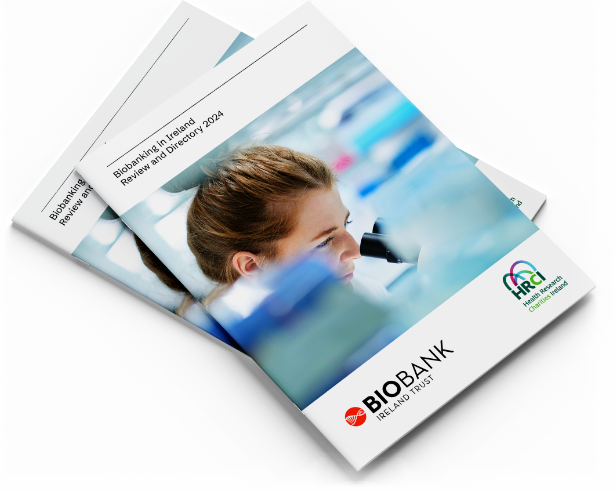
The Biobanking in Ireland Review and Directory
Introducing the Biobanking in Ireland Review and Directory, a comprehensive resource compiling detailed information on Ireland’s key biobanks, their leadership teams, research focus areas, and capabilities to support collaboration and advance scientific discovery. We will circulate this Directory in the coming months. If you are a biobank and wish to participate, please reach out to us for inclusion.